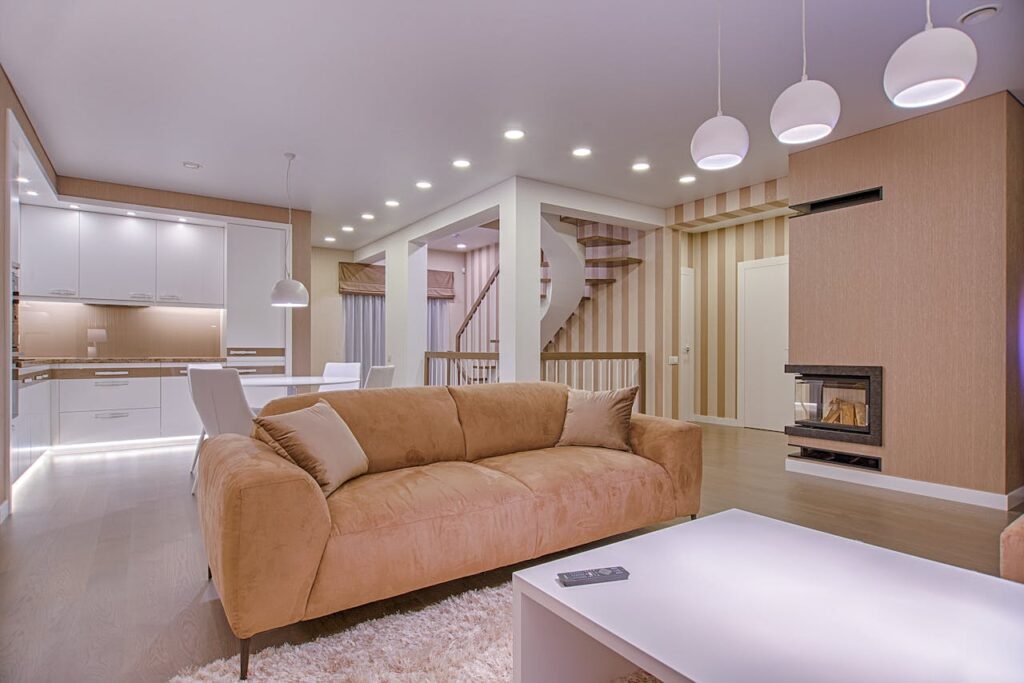
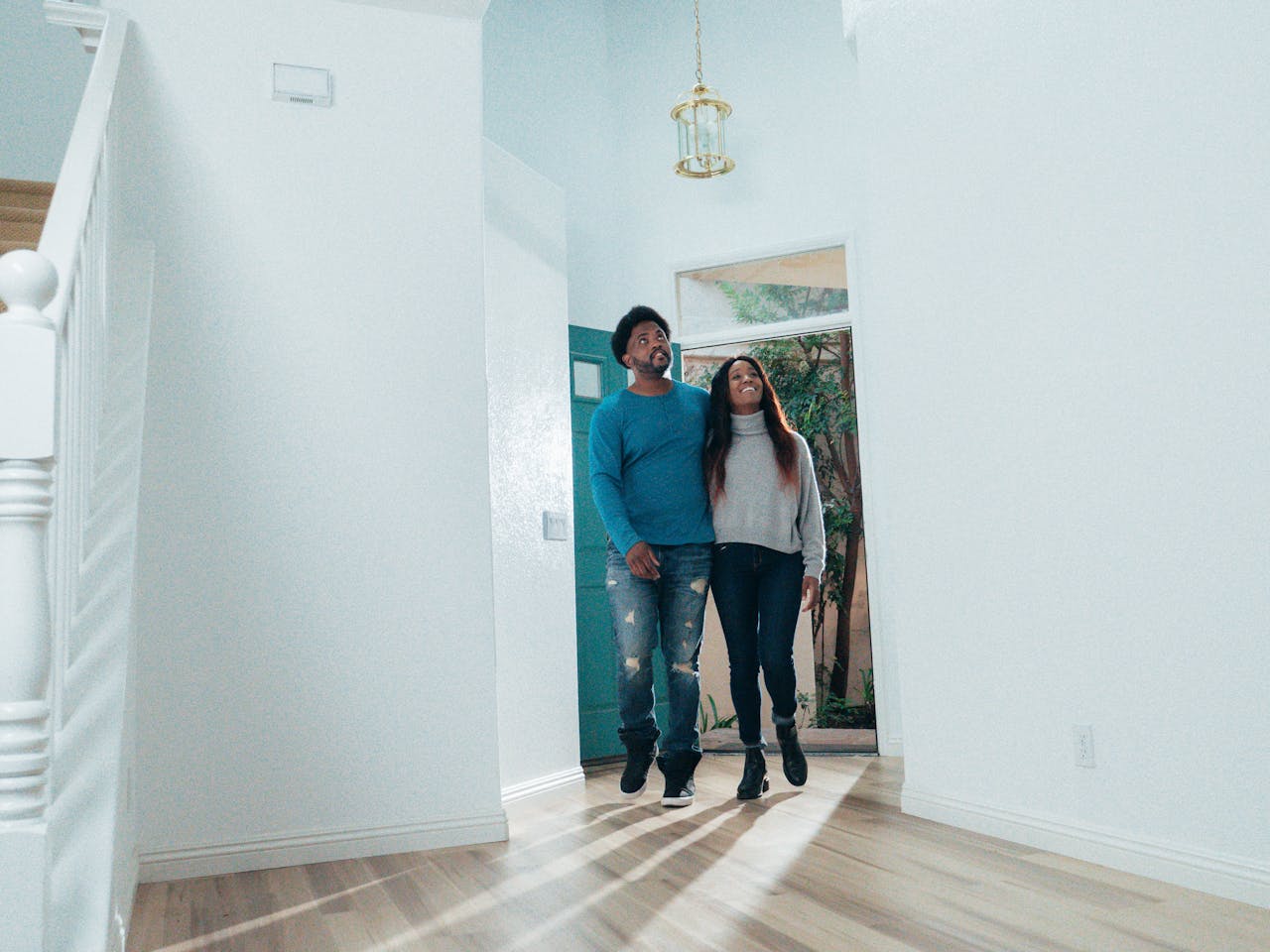
You’ve got the keys. You’ve done the tour about fifteen times already, phone in hand, imagining where the sofa goes. And then you’re standing in an empty room, paint smell still in the air, and you realize… you have absolutely no idea where to start.
That’s pretty normal. Buying a home is one thing. Turning it into a space that actually feels like yours is a whole other project.
Before you buy a single thing, do this first
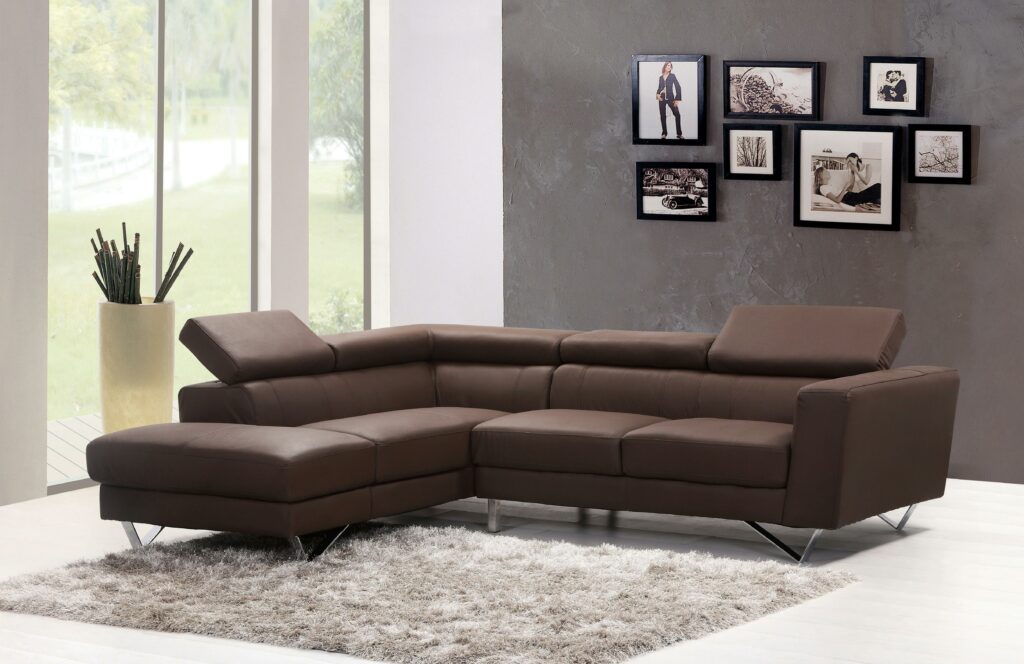 Seriously. Step away from the IKEA catalog for a second.
The biggest mistake people make right after buying is rushing to fill the space. You’re excited, you have some budget left (maybe), and everything feels urgent. But buying a sofa before you’ve lived in the room for even a week ? That’s how you end up with a couch that blocks the light or a rug that’s just slightly the wrong size and bothers you every single morning.
Take two or three weeks if you can. Walk around the apartment or house at different times of day. Watch where the light comes in at 8am versus 3pm. Notice which corners feel too dark, which walls feel too bare, which doorway is kind of annoying to navigate. That time is not wasted. It’s the actual foundation of your project.
Start with the non-negotiables : what actually constrains you
Once you’ve lived in the space a bit, make a list. Not a Pinterest mood board – an actual practical list. If you’re still in the thick of the purchase process and haven’t fully closed yet, resources like particulier-achat-immobilier.fr can help you navigate the legal and financial steps before you even think about any of this.
Things like :
– How many people sleep here regularly ?
– Do you work from home ? Do you need a real desk setup ?
– Do you have kids, a dog, a partner who hates cold floors ?
– What’s your actual budget – not “what I’d like to spend” but what’s real ?
These aren’t boring questions. They’re the ones that determine everything. If you hate cleaning, choosing white upholstery because it looks good in photos is just setting yourself up for a bad time.
Prioritize room by room – and not how you’d expect
Here’s my take, and maybe it’ll surprise you : don’t start with the living room.
Everyone wants to nail the main space first because it’s the one guests see. But you live in your bedroom every single day. You start and end your day there. If that room is a mess of unpacked boxes and a mattress on the floor for three months while you obsess over the perfect coffee table, your quality of life quietly tanks.
Start with the bedroom. Get a real bed frame, proper bedside lighting, decent curtains that actually block light if you need them. Then the kitchen – because you eat every day and an unorganized kitchen is its own kind of slow torture. Then worry about the living room.
Walls, floors, light : the silent structure of everything
Before you bring in any furniture, think about what I call the “invisible layer” of a room.
Paint. If you’re going to repaint, do it before you move anything in. Obviously, sure – but a lot of people skip it because it feels like effort and end up repainting around furniture a year later. Not fun.
Flooring. If you inherited ugly parquet or worn-out tiles, decide early whether you’ll change them or live with them. Area rugs can save almost any floor. I find that one well-chosen rug can completely reframe a space even when the floor underneath isn’t great.
Lighting. This is the one people always underestimate. The overhead ceiling light that came with the apartment ? It’s almost never enough, and it’s usually unflattering. Plan for layered lighting : a ceiling fixture plus floor lamps, table lamps, maybe some wall sconces. It changes the atmosphere completely.
What about budget – how do you actually allocate it ?
There’s no universal rule but here’s one that works fairly well in practice : spend more on things you can’t easily change later.
Sofa, bed, dining table – these are the pieces you’ll use daily for the next decade. This is not the place to bargain-hunt aggressively. On the flip side, decorative items, cushions, throws, artwork, plants – you can afford to be more flexible here, mix cheap and expensive, buy gradually as you find things you love.
A common budget split for a first setup : roughly 50-60% on large furniture pieces, 20% on lighting, and the rest on textiles and decor. That’s a rough guide, not a gospel.
Don’t try to finish everything at once
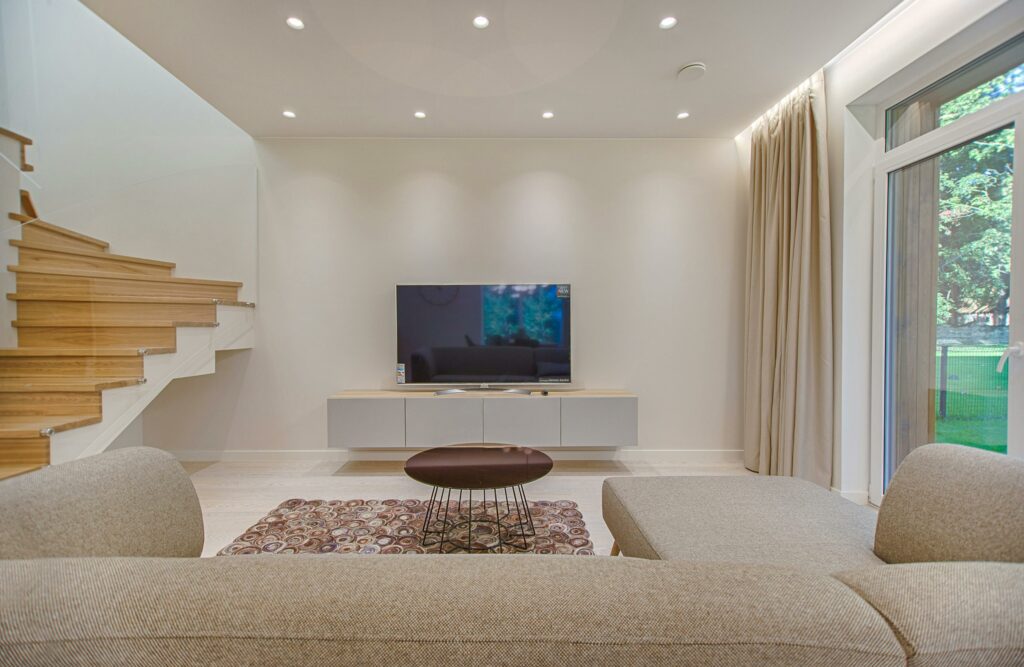 Here’s something I think the internet doesn’t say enough : it’s okay for your home to be unfinished.
The best interiors I’ve ever seen in real life – not in magazines, in actual people’s homes – evolved over time. The owner bought a chair years after everything else because they finally found the right one. A print on the wall came from a market in a city they visited. A lamp was inherited.
That kind of accumulation has a texture to it. It looks lived-in in the best way. Trying to complete a space in one IKEA run will almost always feel a little flat, a little showroom.
Give yourself permission to leave a wall bare for six months if nothing has spoken to you yet. That restraint is worth more than filling the space with something mediocre just to tick a box.
One last thing before you dive in
If you’ve just bought and you’re still in the middle of all the paperwork, notary meetings, mortgage stress – that’s its own whole world of headache. The interior stuff can wait. Get the legal and financial side sorted first. You’ll think more clearly about your space when you’re not drowning in documents.
Then come back here, take a breath, and start from the bedroom.